Empowering Employees to Own Their Careers and Brands with Maura Lemon, The Talent Whisperer
How to Build a People-Centered Talent Development Culture: Insights from Maura Lemon on the Talent Development Hot Seat Podcast
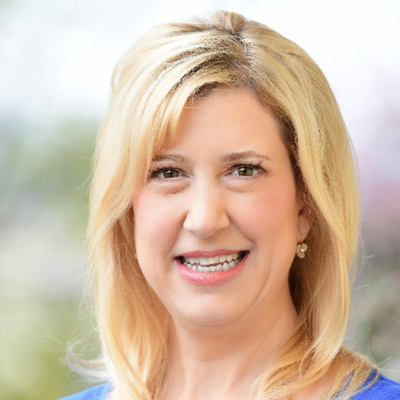
Andy Storch recently sat down with Maura Lemon, Manager of Learning and Development at FDH Aero and President of ATD Los Angeles, on the Talent Development Hot Seat podcast. Maura—widely known as the “Talent Whisperer”—shared a wealth of insights about career transitions, cultivating strengths, and creating impactful talent strategies for global teams. Here’s how you can bring her actionable lessons to life in your organization.
Help People Recognize Their Unique Strengths
One of Maura’s foundational messages is that our greatest strengths can be so innate we overlook them. She described how she discovered—and came to embrace—her “Talent Whisperer” identity thanks to feedback from peers and leaders who noticed her unique ability to coach and develop others. Encourage employees to dig deeper into their strengths. Provide assessments, self-reflection tools, and coaching exercises (such as the “I Am” exercise) to help team members see the value in their everyday talents and experiences.
Branding Matters: Be Strategic and Authentic
Maura’s journey illustrates the power of intentional branding—not just for companies, but for individuals. She believes everyone should be strategic about how they represent themselves, whether on LinkedIn or inside the organization. Help employees craft concise, authentic personal brands that clarify their strengths and aspirations. When people show up confidently and consistently, new opportunities—and recognition—naturally follow.
Think of Talent Management as a Full Lifecycle
Maura’s “hire to retire” philosophy encourages HR and talent professionals to view people’s journeys as interconnected, not siloed programs. When hiring, focus on resilience, adaptability, and drive—qualities Maura calls “RAD Talent.” Develop clear, objective criteria for spotting these traits during the recruitment process and set up mechanisms to nurture them over time.
Personalize Development Opportunities
Recognizing that every employee is at a different stage, Maura recommends starting small. Pilot learning programs with targeted cohorts, assess readiness, and scale thoughtfully. Rely on a mixture of learning strategies—such as the 70-20-10 framework—to ensure learning happens as much on the job as it does in the classroom. Continuously assess the needs of your audience and adapt your approach, blending group sessions with real-time, day-to-day learning.
Foster Psychological Safety for Maximum Growth
Maura points to psychological safety as the single most powerful driver of a thriving learning culture, referencing Google’s Project Oxygen. Equip leaders with the skills to create environments where employees feel safe to make mistakes, take risks, and share honest feedback. Sometimes, simple behavioral shifts—like asking more questions, listening actively, and supporting experimentation—create the trust necessary for innovation.
Empower Employees to Own Their Careers
Effective career development is a partnership. Encourage staff to be proactive, set clear goals, update their resumes, and seek out internal opportunities. Provide them with models like GROW for coaching conversations, and challenge them to take ownership of their advancement. Support stretch assignments, volunteering, or leadership roles on projects to give employees practical experience that prepares them for elevated responsibilities.
Prioritize Employee Voice in Talent Reviews
Maura has seen that the most successful organizations don’t just review employees behind closed doors; they invite employees to share their aspirations and capabilities directly. Even without expensive software, HR teams can collect updated profiles and preferences from employees before talent planning sessions. This approach uncovers hidden skills within your workforce, encourages internal mobility, and ensures that people feel seen and valued.
Lean Into Tech Trends and Continuous Learning
AI and new technologies are reshaping talent development, and Maura advocates for embracing change, not fearing it. Stay up to speed with innovations, position yourself as a strategic partner to business leaders, and continuously invest in learning new tools. View yourself as a performance consultant—focused not only on training, but on business outcomes.
Support the Whole Human—Including Career Health
A new trend Maura highlights is the integration of career coaching into employee wellbeing programs. Encourage your organization to offer career health resources alongside traditional wellness support. Even a few coaching sessions can make a significant impact, helping people navigate change, close skill gaps, and realize their full potential.
Final Thoughts
Maura Lemon’s story is a testament to the power of self-awareness, strategic action, and authentic partnership in talent development. By fostering employee strengths, prioritizing psychological safety, and inviting genuine collaboration at every stage of the employee lifecycle, you’ll build a culture that attracts, retains, and grows great people—no matter where they are on their journey.
For more in-depth stories and actionable strategies from Maura Lemon and Andy Storch, listen to the full episode of the Talent Development Hot Seat Podcast.
Listen to the podcast episode here: