How Sanjit Kaur is Transforming HR Through Culture, Leadership & Employee Experience at Cox Automotive UK
In today’s rapidly evolving workplace, HR leaders are being challenged to do more than manage people processes they’re expected to shape culture, drive business transformation, and create meaningful employee experiences.
That’s exactly what Sanjit Kaur is doing at Cox Automotive International.
As Chief People Officer International, Sanjit leads people strategy across the UK, Europe, Brazil, and Australia, supporting more than 3,000 employees across multiple markets. With over 25 years of experience spanning HR, operations, talent development, and organizational transformation, she’s helping redefine what modern HR leadership looks like.
In this episode of the Talent Development Hotseat podcast, hosted by Andy Storch, Sanjit shared insights on:
- Building intentional workplace cultures
- Leading HR transformation initiatives
- Creating inclusive employee experiences
- Developing future-ready leaders
- Using learning and development as a growth engine
- Preparing organizations for AI and workforce evolution
Here are the biggest takeaways from the conversation.
From Contact Centers to Chief People Officer
Sanjit’s career journey didn’t begin in HR.
She started in frontline operational roles within contact centers after university, focusing on customer service and day-to-day operations before eventually moving into an inclusion and diversity role within HR.
That operational background became one of her greatest strengths.
Rather than staying within a single HR specialty, Sanjit intentionally moved across different business areas throughout her career customer service, global business markets, and various operational functions to deepen her business understanding and leadership perspective.
Her philosophy is simple:
“You have to talk in the language of the business.”
For HR leaders looking to elevate their influence, Sanjit believes understanding business strategy, metrics, operations, and financial impact is non-negotiable. HR cannot simply be viewed as a transactional support function it must become a strategic driver of growth and performance.
Why HR Transformation Must Be Connected to Business Strategy
One of the biggest initiatives Sanjit is currently leading is a large-scale HR transformation effort at Cox Automotive.
But for her, transformation isn’t just about implementing new HR technology.
It’s about creating a more connected, inclusive, and efficient employee experience while enabling the business to scale globally.
When she joined the organization seven years ago, many HR systems and people processes were fragmented across regions and functions. As the company expanded into Europe and other markets, that fragmentation created inefficiencies and made workforce planning more difficult.
Sanjit emphasized the importance of creating:
- One source of truth for people data
- Connected employee processes
- Scalable HR systems
- Simpler employee experiences
- Greater operational efficiency
Her team spent over 12 months building a business case for transformation by identifying pain points across the organization from manual scheduling processes to inefficient workforce planning systems.
The key lesson?
Successful HR transformation requires more than technology justification. Leaders must clearly articulate:
- The business value
- The employee impact
- The ROI
- The operational efficiencies
- The long-term strategic benefits
Employee Experience Isn’t a Buzzword-It’s a Business Strategy
Throughout the conversation, Sanjit repeatedly returned to one core theme:
Intentional employee experience.
She believes strong cultures don’t happen accidentally. They are built intentionally through leadership behaviors, communication, inclusion, and consistent investment in people.
At Cox Automotive, culture is reinforced through:
- Employee resource groups
- Leadership development programs
- Engagement initiatives
- Safe spaces for feedback
- Cross-functional collaboration
- Inclusive people strategies
One of the most telling indicators of cultural strength?
Employees returning to the company after leaving.
Sanjit shared that many former employees who rejoin the organization cite the company’s culture as the primary reason they came back.
That’s a powerful validation of an employee experience strategy.
Building Inclusive Workplaces Across Five Generations
Modern workplaces are more diverse than ever not only in background and identity, but also in age, experience, and expectations.
Sanjit noted that Cox Automotive currently has five generations working within the organization simultaneously.
That reality changes how HR leaders must think about inclusion.
Instead of assuming one-size-fits-all solutions, her team focuses on understanding employee demographics, listening to team needs, and designing experiences that work across multiple populations.
This includes everything from:
- Improving operational work environments
- Supporting flexible development pathways
- Creating employee feedback channels
- Investing in learning and growth opportunities
- Empowering employee-led communities
Her approach reinforces an important idea:
Inclusive culture is built through many small intentional actions not one massive initiative.
Why Middle Managers Are the Key to Organizational Culture
One of the most impactful investments Sanjit’s team has made is in middle manager development.
Historically, many organizations focused leadership development primarily on executives. But after COVID, Sanjit recognized a major gap:
Middle managers were leading large operational teams without enough support or development.
To address this, Cox Automotive launched blended leadership development programs combining:
- Coaching
- Technical development
- In-person learning
- Virtual learning
- Workplace practice
- Peer collaboration
The programs run over 6–9 months and allow leaders to immediately apply what they learn back in the workplace.
One of the most valuable outcomes?
Cross-functional collaboration.
Managers build relationships across departments, learn how other areas operate, and begin solving business problems together instead of working in silos.
The Role of Learning & Development in Future Workforce Readiness
For Sanjit, learning and development is not a standalone HR function it’s directly tied to business readiness.
As the automotive industry evolves through electrification, digital transformation, and AI, workforce skills must evolve too.
That’s why Cox Automotive has expanded its investment in:
- Apprenticeship programs
- Technical training
- Leadership capabilities
- Professional certifications
- Future skills development
Sanjit highlighted the UK apprenticeship levy as a major opportunity for organizations to fund development initiatives and upskill existing employees.
Recently, over 90 employees graduated from apprenticeship-supported programs covering everything from financial qualifications to advanced professional development.
The broader message is clear:
Organizations that continuously invest in employee growth will be far better positioned for long-term transformation.
AI, HR Technology & the Future of Work
Like many HR leaders today, Sanjit is actively exploring how AI will reshape talent acquisition, workforce planning, and HR operations.
While she describes the organization as still being in the “early stages” of its AI journey, the company is already identifying opportunities to improve efficiency through automation and smarter systems.
Areas being explored include:
- Recruitment workflows
- CV screening
- Job architecture
- Role profile management
- HR operational efficiencies
Importantly, Sanjit emphasized that AI adoption must be intentional and responsible balancing efficiency with thoughtful people practices.
Sanjit’s Advice for HR Professionals Looking to Grow
Toward the end of the episode, Sanjit shared one of the most powerful messages of the conversation:
“Every day is a school day.”
Her advice for HR professionals is rooted in curiosity, continuous learning, and personal ownership of growth.
She encourages leaders to:
- Stay curious
- Understand the business
- Seek cross-functional experiences
- Build relationships
- Take stretch opportunities
- Keep developing new skills
And perhaps most importantly:
“You can make your role as big as you want.”
That mindset has clearly shaped her own remarkable journey from frontline operations to international Chief People Officer.
Final Thoughts
This conversation with Sanjit Kaur highlights what modern HR leadership truly requires:
- Strategic business thinking
- Intentional culture building
- Inclusive employee experiences
- Continuous learning
- Leadership development
- Future-focused transformation
At a time when organizations everywhere are navigating workforce change, evolving employee expectations, and rapid technological disruption, Sanjit’s approach offers a practical and deeply human roadmap for building organizations where people and businesses can thrive.
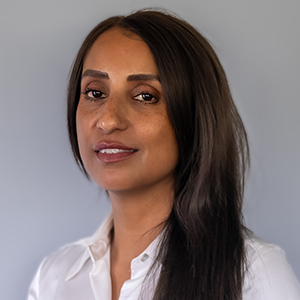
Sanjit Kaur is the Chief People Officer International at Cox Automotive, where she leads people strategy across the UK, Europe, Brazil, and Australia, supporting more than 3,000 employees across multiple markets. With over 25 years of experience spanning HR, operations, talent development, and organizational transformation, Sanjit is passionate about building intentional workplace cultures, inclusive employee experiences, and future-ready leadership capabilities. Known for her strategic yet people-first approach, she has been recognized through accolades including the Inspiring Women Automotive 30% Club Award and the Northern Power Women Award UK for her contributions to leadership, inclusion, and developing the next generation of HR talent.
Listen to the podcast episode here: