
Building Leadership Stability and Neuro Resilience with Angus Nelson
Leadership Under Pressure: Why High Performers Feel Stuck and What Needs to Change
Andy Storch recently sat down with Angus Nelson to explore a growing challenge in today’s leadership landscape. Despite experience, capability, and opportunity, many high-performing leaders are feeling stuck.
As organizations move faster and complexity continues to increase, leadership is no longer just about execution. It is about how leaders internally process pressure, uncertainty, and change. Angus brings a perspective that shifts the focus from external performance to internal capacity.
Recognize When Old Success Patterns Stop Working
Many leaders have built their careers on drive, persistence, and the ability to push through challenges. These traits are often rewarded early and become core to how leaders define themselves.
However, as roles expand and pressure increases, those same patterns begin to lose effectiveness. Leaders continue to push harder, but instead of creating progress, it leads to fatigue and diminishing returns. The environment has evolved, but the approach has not.
Understanding when past success patterns are no longer serving you is the first step toward adapting to a new level of leadership.
Upgrade the Internal Operating System
Angus describes the brain as a “supercomputer,” constantly shaped by past experiences, conversations, and environments. Over time, this creates an internal operating system that influences how leaders interpret challenges and opportunities.
When this system is filled with stress, fear, or scarcity, it continues to reinforce those patterns. Even in moments of opportunity, leaders may default to reactive thinking because of how they are internally wired.
To move forward, leaders must consciously change their inputs and update how they process information. Without this shift, external change will always feel harder than it needs to be.
Shift Identity to Match the Next Level of Leadership
One of the biggest barriers to growth is not skill, but identity.
Leaders often hold onto a version of themselves that worked in the past, even when it no longer aligns with current demands. Letting go of that identity can feel uncomfortable, especially when it is tied to past success.
However, growth requires asking a different question: who do I need to become for this next phase?
Without evolving identity, new strategies and tools will have limited impact.
Address Nervous System Regulation, Not Just Skills
Leadership development has traditionally focused on competencies like communication, decision-making, and strategy. While these are important, Angus emphasizes that they are incomplete without addressing nervous system regulation.
Under sustained pressure, leaders may experience irritability, emotional fatigue, and reactive behavior. These responses are not simply mindset issues, but physiological reactions to stress.
Providing leaders with tools to regulate their internal state allows them to respond with clarity instead of reacting under pressure. This is an essential capability in today’s environment.
Understand the Difference Between Surface Control and True Stability
Not all calm leadership is the same.
Some leaders appear composed because they are controlling their reactions, but internally they are still under stress. This approach is difficult to sustain and often breaks under pressure.
Truly regulated leaders operate from a place of stability. Their presence creates trust, psychological safety, and openness within teams. This difference is often subtle, but it has a significant impact on team performance and culture.
Redefine Resilience as Transformation, Not Endurance
Resilience is often associated with pushing through difficulty. Angus challenges this idea by reframing resilience as the ability to absorb pressure and convert it into something constructive.
This shift changes how leaders approach challenges. Instead of seeing pressure as something to survive, it becomes something to work with and learn from.
Leaders who adopt this perspective are better equipped to navigate uncertainty and sustain performance over time.
Avoid the Success Trap of External Validation
Many leaders pursue success with the expectation that achieving certain milestones will lead to fulfillment. However, once those milestones are reached, the sense of satisfaction is often short-lived.
This happens because success is frequently tied to external validation rather than internal alignment. Titles, compensation, and recognition do not necessarily create a sense of purpose.
Angus reframes success as direction rather than destination. The focus shifts from what is achieved to who the leader is becoming in the process.
Build Consistent Practices to Reset and Reframe
Rather than relying on major changes, Angus emphasizes the importance of small, consistent practices. Even dedicating a short amount of time each day to reset thinking and reinforce a more intentional internal narrative can create meaningful change over time.
Given the volume of information leaders consume daily, being intentional about mental inputs becomes a critical factor in long-term performance and clarity.
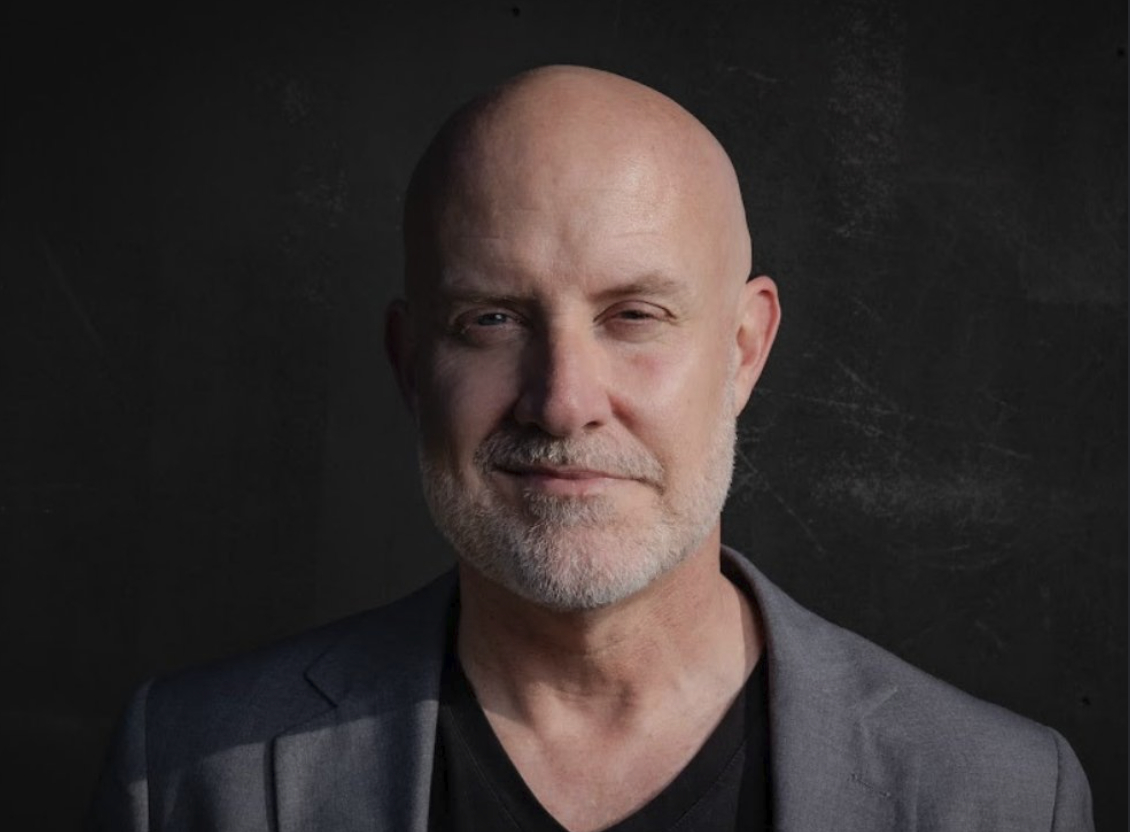
This episode features Angus Nelson is an American leadership coach, motivational speaker, and entrepreneur known for his work in personal development and emotional intelligence. He focuses on helping individuals especially leaders and high performers—build confidence, improve relationships, and develop a stronger sense of purpose. Drawing from his own life experiences, including overcoming significant personal and professional challenges, he emphasizes authenticity, resilience, and self-awareness as key drivers of success. Nelson has worked with companies, teams, and individuals across various industries, often speaking on topics like leadership mindset, mental health, and navigating change in both personal and professional contexts.
Listen to the podcast episode here: