The Collective Edge: Unlocking the Secret Power of Groups with Colin Fisher
On a recent episode of the Talent Development Hot Seat Podcast, host Andy Storch sat down with Dr. Colin Fisher, Associate Professor of Organizations and Innovation at University College London and author of the new book The Collective: Unlocking the Secret Power of Groups. Drawing on his background as a jazz musician and his years of research into group dynamics, Colin shared powerful insights into what makes teams thrive, why structural foundations matter, and how talent development leaders can enable high-performing, synergistic teams—regardless of their industry or resources.
Here are actionable takeaways to help you build more effective, resilient, and creative teams in your organization.
Start with Strong Team Structure, Not Individual Superstars
Colin emphasized that, contrary to the pervasive “lone genius” myth, the foundation of successful teams lies in their initial structure—not in magical individuals. Too often, organizations focus on individual performance or personality assessments, when the real drivers of group success are clear goals, purposeful team composition, and explicit norms. Before launching a new team or intervention, clarify the team’s mission. Identify the complementary skills, knowledge, and perspectives needed, and design teams intentionally—preferably in small groups of 3–7 members for maximum effectiveness.
Focus on Task-Based Trust and Real Work, Not Just Bonding Activities
Many traditional team-building activities prioritize relational trust (think trust falls or sharing personal stories). But Colin’s research reveals that what matters most for performance is task-based trust: teammates’ confidence that others will fulfill their roles and deliver work reliably. Rather than relying solely on icebreakers or offsites, invest time in high-fidelity simulations—practicing real work in low-stakes settings—or simply tackling actual tasks together. Use reflection and iteration to deepen trust, knowledge, and collaboration as quickly as possible.
Ditch Hybrid Incentives: Be Clear with Rewards and Recognition
Organizations often struggle to balance individual and team rewards. While it may seem logical to use a hybrid approach, Colin’s mentor Ruth Wagaman found that this “mixed messages” system actually lowers motivation and creates confusion. Instead, pick a clear formal reward system—either for individuals or teams—and complement it with informal recognition for the other. For talent leaders, build rituals and opportunities for peer appreciation and feedback, beyond just money or promotions, to satisfy the human need for belonging and individual recognition.
Build Synergistic Teams Through Diversity of Perspective
Synergy—where a group produces more together than the sum of individual outputs—depends on assembling teams with complementary, not identical, backgrounds and expertise. Colin explained that people often gravitate toward those who are similar, but leaders should instead seek diversity in thinking style, skillsets, and experience. Talent development professionals can champion this by facilitating cross-functional projects, rotational programs, and intentional team composition that encourages the collision of new ideas.
Harness Healthy Competition: Compete with Your Past Performance
While competition can be a double-edged sword (fueling both innovation and destructive rivalry), the healthiest form is for teams to compete against their own previous results rather than against each other. Encourage teams to set benchmarks and chase continuous improvement, rather than pitting peer teams against one another. This fosters growth without undermining collaboration or long-term organizational cohesion.
Address the Challenges of Remote and Hybrid Teams
Working remotely or in hybrid modes brings new hurdles. Psychological distance can erode trust and human connection, while hybrid teams (some in-person, some remote) are especially prone to subgroup conflicts and coordination breakdowns. Colin’s advice: reduce psychological distance by making time for personal connection, even in small doses (like rotating “show and tell” stories at the start of virtual meetings), and standardize communication methods to avoid confusion. If possible, put everyone on equal ground—either all remote for meetings, or all in-person—to optimize learning, shared norms, and fairness.
Balance Coaching with Structural Foundations
Even the best coaching has limited impact if teams are poorly set up. Colin shared the “60-30-10 rule”: 60% of team success comes from pre-meeting structure, 30% from first-meeting interactions, and only 10% from subsequent coaching. Talent development leaders should prioritize getting the foundations right before layering on coaching interventions. When teams are well-structured, coaching focused on psychological safety, experimentation, and self-management can help them outperform.
Create a Culture of Collective Achievement, Not Individual Heroics
Finally, ongoing storytelling and recognition should emphasize the collective achievements of teams. Talent leaders can drive this shift by celebrating group wins, sharing stories of collaboration, and reframing success as a group effort—not just a solo accomplishment. Use both formal and informal channels to build this narrative and help employees internalize the value of “us” over “me.”
If you’re ready to unlock the full power of your organization’s teams, start by shifting the focus from individuals to the collective—from structural clarity to authentic teamwork, and from competition to synergy. By applying Colin Fisher’s research and practical advice, you can help your organization move beyond the myth of the lone genius and towards sustainable, creative, and high-performing collaboration.
Listen to the full conversation with Colin Fisher on the Talent Development Hot Seat Podcast, and explore his new book The Collective: Unlocking the Secret Power of Groups for even deeper insights.
For more resources and research from Colin, visit colinmfisher.com, and stay tuned for upcoming episodes of the Talent Development Hot Seat Podcast!
**This episode is sponsored by LearnIt, which is offering a FREE trial of their TeamPass membership for you and up to 20 team members of your team. Check it out here.
This episode is also sponsored by Mento, which offers a unique 80/20 model of coaching with 80% powerful coaching and 20% real-world experience. Check them out at Mento.co **
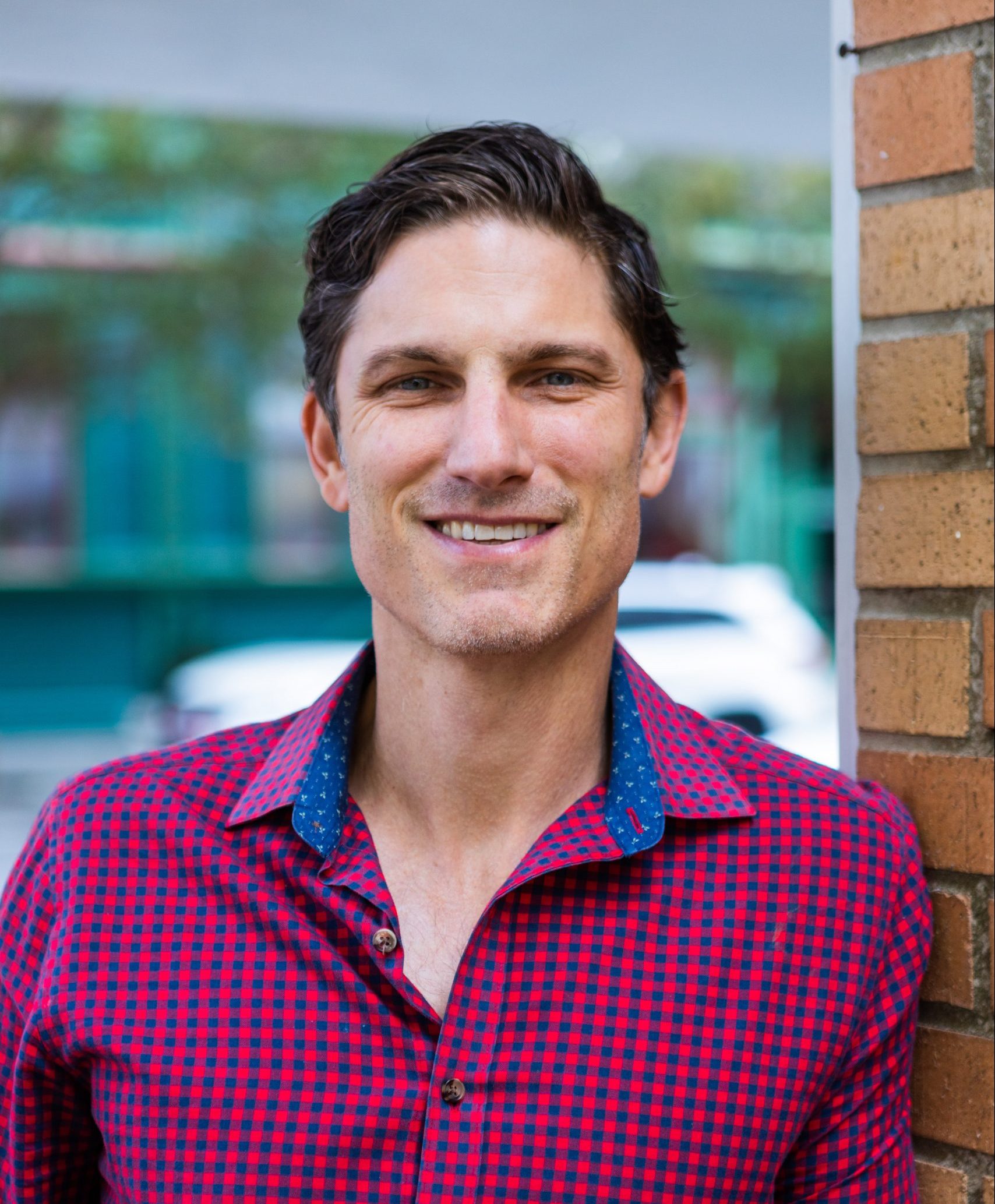
Dr. Colin Fisher. Colin is an Associate Professor of Organizations and Innovation at the University College London School of Management. His journey to academia is quite unique—he began as a professional jazz trumpet player before delving into the study of group dynamics and collective intelligence.
Colin’s research focuses on the hidden processes that help groups and teams succeed, especially in situations that require creativity, improvisation, and complex decision-making. He’s written about group dynamics for both popular science and management audiences, with his work highlighted in major media outlets like the BBC, Forbes, Harvard Business Review, NPR, and the Times.
Listen to the podcast episode here: